
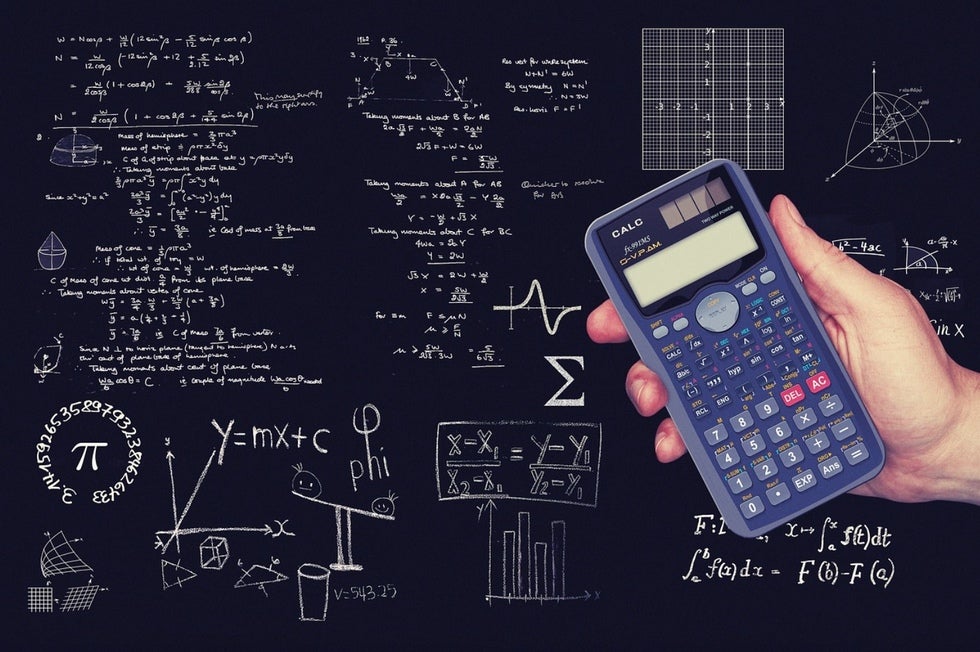
If you are allowed to use a calculator during a test, it can be a valuable tool—but it also comes with potential drawbacks. While calculators can simplify complex calculations, relying on them without a solid understanding of the underlying math concepts may hinder long-term growth. This article will explore the advantages and disadvantages of using a calculator in test settings and shed light on why mastering mathematical skills is essential for success.
Pros of Using a Calculator
- Speed and Efficiency: A calculator allows you to solve equations and perform calculations much faster than manual methods. This can be especially helpful during timed tests when you have limited time to complete all questions.
- Accuracy in Complex Calculations: For lengthy or intricate calculations, a calculator helps reduce the risk of human error. It ensures your answers are precise, especially for solving decimals, square roots, and large numbers.
- Focus on Higher-Level Thinking: When a calculator handles basic arithmetic, you have more mental capacity to concentrate on the problem-solving process or to understand concepts. This is particularly useful in subjects like algebra or calculus.
Cons of Using a Calculator
- Overdependence: Relying too heavily on a calculator can prevent you from mastering mental math or manual problem-solving skills, which are crucial in various situations outside of standardized testing. (It can also cause you to become rusty in skills you have already mastered.)
- Errors Due to Input Mistakes: A calculator does not evaluate whether the data entered is correct. A simple miskeying can result in a wrong answer that can mislead or cost valuable points in your test.
- Limited Use in Certain Tests: Not all exams permit calculators for specific portions. If you have become overly dependent on one, you may feel unprepared when asked to solve problems manually during such scenarios.
The Hidden Problem of Calculator Dependency
Using a calculator during a test without truly grasping the math can mask gaps in your understanding. For example, if you rely on the calculator to find the answer but do not understand why the math works, it can create long-term challenges. These gaps in knowledge can reappear in advanced courses or real-world applications, where foundational math skills are essential for success. Building strong math skills is critical to grow your confidence and problem-solving abilities.
Need Help Improving Your Math Skills?
Struggling with math does not have to be a permanent hurdle. At Vincent-Pope Tutoring, we provide personalized support to strengthen your mathematical foundation, ensuring you feel confident with or without a calculator. Contact us today to start closing those knowledge gaps and unlocking your full potential.

Comments
There are no comments for this post. Be the first and Add your Comment below.
Leave a Comment